From a photographer’s perspective, one of the most common questions I receive from couples is “Do I need a wedding planner or is working with a venue coordinator is enough?” It’s an understandable question. In a world where timelines and even sample floor plans can be generated in seconds using AI tools, wedding planning can feel like a matter of simple organization. After photographing countless weddings, I can confidently say the difference between a wedding planner and a venue coordinator is significant. Wedding planning from a photographer’s perspective reveals that far more is at stake than logistics alone. The planning support you choose directly impacts how your day is experienced. If you are weighing the decision between hiring a wedding planner vs. relying on a venue coordinator, here is what I want you to know.
Wedding Planner vs. Venue Coordinator: Understanding the Difference
It may seem obvious, but it’s important to remember that a venue coordinator works for the venue. Their primary responsibility is to protect the venue’s interests, manage its staff, and ensure that the property operates smoothly. They oversee food and beverage, making sure that courses are served in a timely manor and the kitchen is operating smoothly, confirm that policies are followed, and make sure the space is used appropriately by vendors and guests. They are an essential part of the venue’s operations.
What they are not responsible for is managing your entire vendor team, tracking transportation, placing or cleaning up decor, advocating for your personal vision, helping with any fashion emergencies, or orchestrating the full flow of your wedding day. Their focus is the building, its logistics and the food.
A wedding planner, on the other hand, works for you. Their role is not tied to a single location or contract. They are there to protect your vision, coordinate all vendors involved, oversee design decisions, manage communication, help you as the couple throughout the day with anything you may need, and guide the overall experience from engagement to send-off.
When you compare a wedding planner vs. venue coordinator, the most important distinction is advocacy. A planner is your advocate. A venue coordinator is the venue’s advocate. That difference alone shapes the energy of a wedding day.


Deciding How Involved You Want to Be
Beyond the technical distinction, the real question becomes this: how involved do you want to be in the months leading up to your wedding? Some couples genuinely enjoy managing emails, reviewing rental catalogs, and confirming arrival times with transportation companies. Others would rather communicate their vision and trust a professional to translate it to every vendor involved.
A planner acts as the central hub of communication. Instead of responding to dozens of email threads in the final weeks, your planner ensures that everyone — florist, rental company, photographer, caterer, and band — is aligned. They confirm timelines, communicate layout changes, and make sure no detail falls through the cracks. From my perspective behind the camera, weddings with this level of coordination run more smoothly because everyone knows exactly what to expect.


The Role of a Planner in Wedding Design
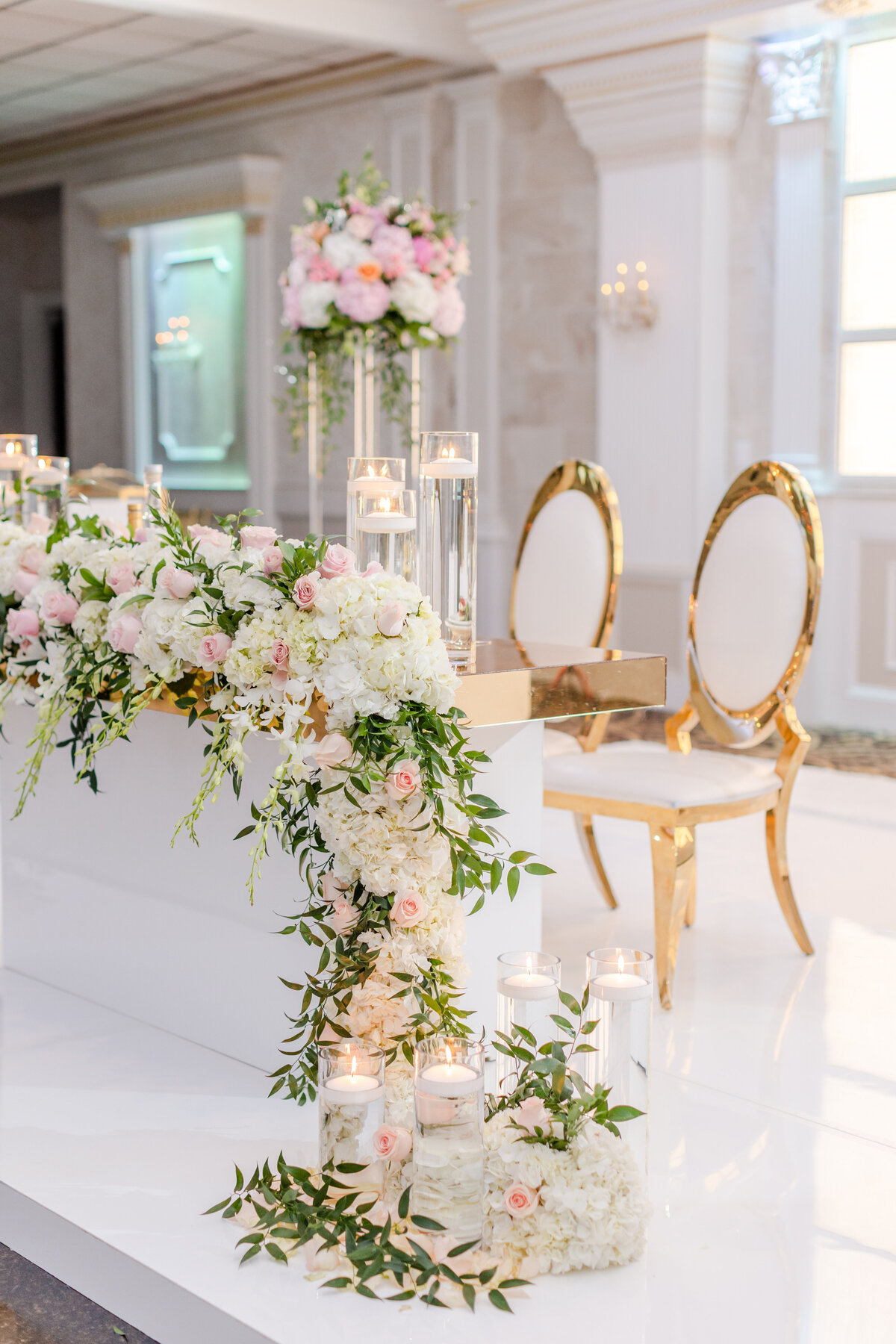
Design is another area where the difference becomes clear. Many couples assume that planners simply handle logistics, but strong planners are deeply involved in visual cohesion. They help refine color palettes, suggest rental pieces, confirm layout flow, and think through how each element will feel in the space. If you are incorporating custom installations, layered linens, specialty lighting, or unique escort displays, having a planner oversee those elements ensures that your ideas translate seamlessly and cohesively.
This matters immensely for photography. When rentals, florals, and lighting are thoughtfully considered together, your wedding feels elevated. Cohesive design creates visual harmony in your images. Planners often visit venues ahead of time to measure rooms for installations and ensure design concepts will physically fit in the space. That foresight prevents day-of stress and allows creative ideas to be executed exactly as envisioned.
The Impact on Your Wedding Morning
On the wedding day itself, the presence of a planner changes everything. The getting-ready portion of the day sets the tone. When I walk into a space where dresses are steamed, shoes and invitation suites are gathered, florals have been delivered, and food is available for everyone in the room, I can begin photographing immediately. There is no scrambling to find cufflinks or searching for the invitations. If there are multiple getting-ready locations, having planning support ensures both sides of the day feel equally cared for.
Planners also handle the small but meaningful details that couples rarely anticipate. They assist with pinning boutonnieres correctly, properly tying bowties, and distributing bouquets at the right moment. While I frequently step in when needed, it is far more efficient when the responsibilities are shared. My role is to focus on documenting your day beautifully and intentionally. Having a planner in charge to anticipate needs allows me to fully focus on capturing moments instead of splitting my attention between photography and logistics.


Protecting Your Peace Throughout the Day
Another understated benefit of having a wedding planner is attentiveness. A thoughtful planner will quietly check that you have eaten, that you have a drink in hand during cocktail hour, and that you have a moment to breathe before walking into your reception. Those pauses and details matter. When couples feel calm and supported, their body language softens. They are more present with each other, and the joy feels natural. That authenticity is what creates timeless photographs.
There is also the reality that something almost always shifts on a wedding day. A vendor arrives later than expected. Weather changes. Transportation runs behind schedule. A key family member disappears right before portraits. The difference at weddings with a planner is that most of these issues are resolved before you realize they occurred. A seasoned planner anticipates problems and solves them proactively. That kind of self-sufficiency protects your peace and allows you to be fully present.


Managing Vendors, Timelines, and Family
Vendor management is another critical factor. When it is time for bridal party portraits or the cake cutting, I’m not able to pause and search for another vendor. A planner ensures that everyone is exactly where they need to be when they need to be there. They keep the timeline flowing without making it feel rushed. They coordinate with the band before introductions, confirm that the videographer is ready for key moments, and cue transportation at the end of the night. It is orchestration in the truest sense.
Family management, especially during formal portraits, is also smoother with planning support. Gathering extended family can take time. It’s always helpful to have a planner or assistant who knows the portrait list. They gently guide people into place, remind them when they are needed, and ensure no one important slips away before their photo is taken. This keeps portraits efficient and allows you to return to your celebration quickly.


A Budget-Friendly Hybrid Option
If full-service planning feels outside of your budget, there is a thoughtful middle-ground option. I would recommend pairing a design consultation with month-of coordination. It allows collaboration with a planner in the beginning to refine your aesthetic, confirm layout direction, and receive professional guidance. Then, closer to the wedding, that same planner steps in to manage vendor communication and execute the timeline.
This hybrid approach provides design expertise and day-of leadership without the investment of full-service planning. From my experience, it is still far more comprehensive than relying solely on a venue coordinator. You gain someone who understands your personal vision and able to manage the full vendor team when it matters most.
Final Thoughts
Ultimately, when couples ask me about a planner vs. a venue coordinator, my answer is rooted in what I consistently observe. Weddings with dedicated planning support feel calmer. The design feels intentional. The timeline flows naturally. The couple is more present rather than preoccupied. As the photographer, I capture more candid moments on the day because I am not having to focus on as many moving parts and coordination.
When you are not managing logistics, you are free to fully experience your wedding. That presence is what creates imagery that feels authentic and genuine rather than transactional. As a photographer, my role extends beyond simply documenting events. I guide, anticipate, and observe with intention. Having a planner alongside me allows each of us to operate within our areas of expertise.
If you are building your vendor team and want a photographer who values authenticity, I would love to connect.